
Minnesota Bill Expands Bird Flu Programs, Pays Farmers to Comply With Bird Flu 'Prevention Measures'
As billions flow into expanding U.S. and global avian influenza surveillance, research, and response programs.

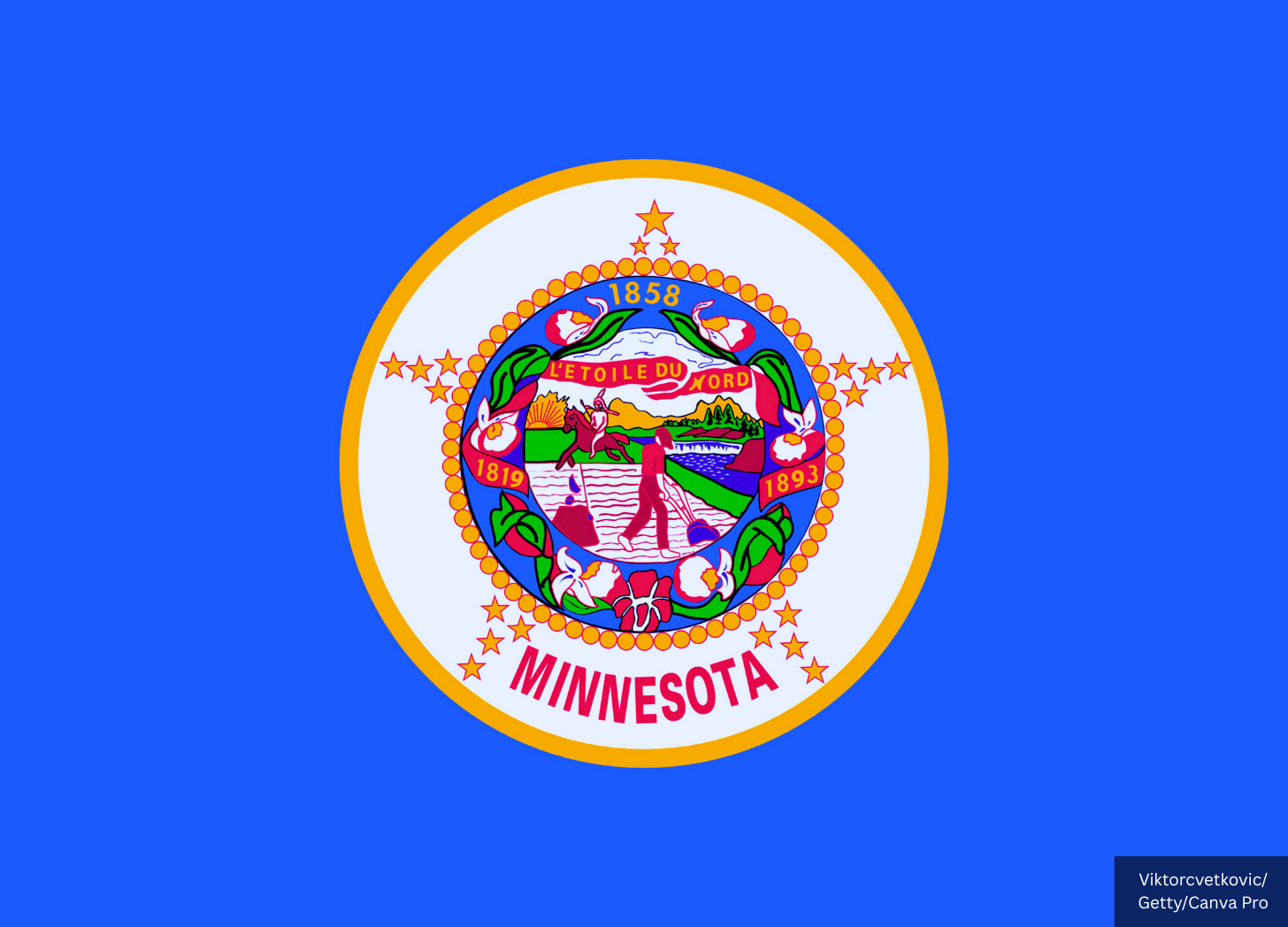
A Minnesota bill introduced on Monday would allocate taxpayer funds for bird flu efforts and pay livestock producers to install bird flu prevention systems, further expanding government-funded avian influenza programs as federal agencies and international organizations rapidly increase spending tied to the purported virus.
Senate File 3832 (S.F. 3832), introduced in the Minnesota Senate and referred to the Agriculture, Veterans, Broadband, and Rural Development Committee, creates multiple funding streams specifically targeting avian influenza.
If enacted, the legislation would establish ongoing taxpayer funding for bird flu programs within Minnesota’s agricultural system.
You can see which legislators are sponsoring the bill here.

Follow us on Instagram @realjonfleetwood & Twitter/X @JonMFleetwood.
If you value this reporting, consider upgrading to a paid subscription.
For advertising & sponsorship opportunities, contact us by clicking below.
Up to $2 Million Allocated for Bird Flu Research
The bill directs:
“up to $1,000,000 the first year and up to $1,000,000 the second year … for research on avian influenza, salmonella, and other turkey-related diseases and disease prevention measures.”
The funding is part of Minnesota’s agriculture research, education, extension, and technology transfer program, which distributes taxpayer money to agricultural research institutions, including the University of Minnesota.
This establishes a recurring, state-funded bird flu research pipeline.
Bill Creates Financial Incentives for Farmers to Participate in State Bird Flu Prevention Programs
The legislation establishes a government grant program that offers taxpayer money to livestock producers who adopt bird flu prevention measures approved under the state’s program.
It states:
“$225,000 … is for the protecting livestock grant program for producers to support the installation of measures to prevent the transmission of avian influenza.”
Under the structure of the program, the state covers most of the cost, reducing the financial burden on farmers who participate:
“a grant applicant must document a cost-share of 20 percent. An applicant’s cost-share amount may be reduced up to $2,000 to cover time and labor costs.”
By subsidizing the cost of bird flu prevention measures, the bill creates a taxpayer-funded financial incentive for livestock producers to implement state-supported avian influenza mitigation efforts that they might otherwise have to pay for entirely on their own.
Because the bill does not define what qualifies as “prevention,” the taxpayer-funded grants could ultimately finance bird flu testing, vaccination programs, surveillance infrastructure, and other government-directed bird flu measures imposed on livestock operations.
Bird Flu Receives Dedicated Funding Beyond Other Diseases
Avian influenza is one of several livestock diseases referenced in the bill.
However, bird flu is the only disease given both:
Dedicated research funding
Its own exclusive livestock prevention grant program
The funding exists within a broader agricultural spending package totaling tens of millions of dollars.
Bottom Line
Minnesota’s bill shows how bird flu programs are being hard-wired into state law, using taxpayer funding and financial incentives to align farmers and research institutions with the government’s expanding avian influenza system.
The legislation mirrors what is now happening across multiple levels of government, as states allocate their own funding, federal agencies finance large-scale bird flu surveillance and response infrastructure, and international bodies coordinate global programs built around the same virus.
Taken together, the Minnesota bill represents one piece of a rapidly expanding framework in which bird flu programs are being simultaneously financed at the state, national, and international levels—embedding ongoing funding, institutional participation, and livestock producer involvement into a unified and permanent system.
Follow us on Instagram @realjonfleetwood & Twitter/X @JonMFleetwood.
If you value this reporting, consider upgrading to a paid subscription.
For advertising & sponsorship opportunities, contact us by clicking below.


Fake birdy flew = CoV-3...the next in line fake pandemic.
Not surprising that Minnesota is the source of the bill. Derangement syndrome reigns supreme there. Easy pickings for the lobbyists.